

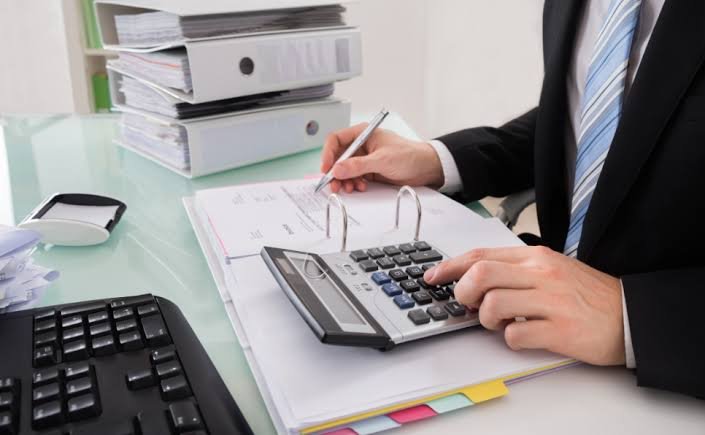
Running a small business comes with no shortage of responsibilities. Among them, small business bookkeeping is one of the most critical—and most commonly neglected. Disorganised finances don’t just cause stress at tax time; they can quietly erode your profits, lead to compliance penalties, and make it nearly impossible to plan for growth. Getting your books in order is one of the most impactful steps you can take as a business owner.
At Gowin Accountants Ltd, based in Basingstoke and serving businesses across the whole of England, we work with limited companies, sole traders, and landlords every day to bring clarity and accuracy to their finances. With over 10 years of experience in business and financial management, our team understands the specific challenges small businesses face—and how to solve them efficiently.
What Does Small Business Bookkeeping Actually Involve?
Bookkeeping is the systematic recording of every financial transaction your business makes. That includes sales, purchases, payments, receipts, payroll, and everything in between. Think of it as the foundation on which all other financial reporting is built.
For small businesses, effective bookkeeping typically covers:
- Recording income and expenses as they occur
- Reconciling bank statements to ensure your records match your actual account activity
- Managing invoices — both those you send to clients and those you receive from suppliers
- Tracking VAT if your business is VAT-registered
- Preparing records for year-end accounts and tax returns
Done properly, bookkeeping gives you a real-time picture of your business’s financial health. Done poorly—or not at all—it creates a backlog that becomes increasingly expensive and stressful to untangle.
Why Accurate Bookkeeping Matters for Small Businesses
How does poor bookkeeping affect a small business’s finances?
The short answer: significantly. Inaccurate records lead to incorrect tax returns, which can trigger penalties from HMRC. They also make it harder to identify cash flow problems before they become critical. Many small business owners only realise their books are in disarray when they’re facing a deadline—by which point the damage is already done.
Accurate small business bookkeeping, on the other hand, delivers several concrete benefits:
- Tax compliance: Clean records make Self Assessment, Corporation Tax, and VAT returns far more straightforward
- Cash flow visibility: You can see exactly what’s coming in and going out, and plan accordingly
- Informed decision-making: Reliable data lets you identify which parts of your business are profitable and which aren’t
- Audit readiness: If HMRC ever queries your returns, well-maintained records are your best defence
- Business credibility: Accurate financials are essential if you’re seeking funding, investment, or credit
Common Small Business Bookkeeping Mistakes to Avoid
What bookkeeping errors do small businesses most commonly make?
Even diligent business owners make mistakes. Here are the most common ones:
- Mixing personal and business finances — Using the same bank account for business and personal expenses creates confusion and makes reconciliation a nightmare.
- Falling behind on data entry — Letting transactions pile up before recording them increases the risk of errors and missed items.
- Losing receipts — HMRC requires supporting documentation for expenses. Cloud-based tools make it easy to photograph and store receipts instantly.
- Misclassifying expenses — Recording costs in the wrong category can distort your profit figures and affect your tax position.
- Ignoring bank reconciliation — Without regular reconciliation, discrepancies can go undetected for months.
The good news is that all of these mistakes are entirely preventable—particularly with the right software and professional support.
How to Set Up an Effective Bookkeeping System for Your Small Business
What is the best bookkeeping system for a small business in the UK?
The most practical approach for most small businesses today is cloud-based accounting software. Xero, in particular, is widely regarded as one of the leading platforms available. Gowin Accountants Ltd includes Xero as part of every client package, giving business owners 24/7 access to their financial data from any device.
Here’s a simple framework to get started:
Step 1: Open a dedicated business bank account
Keep your business finances completely separate from your personal ones from day one.
Step 2: Choose your bookkeeping software
Xero, QuickBooks, and FreeAgent are all popular choices in the UK. Xero is particularly well-suited for small businesses due to its intuitive interface and strong integration capabilities.
Step 3: Set up a chart of accounts
This is a categorised list of all the financial accounts in your business—sales, expenses, assets, liabilities, and so on. Your accountant can help you structure this correctly from the outset.
Step 4: Record transactions regularly
Daily or weekly entry is far more manageable than monthly catch-ups. Many cloud platforms allow you to automate bank feeds, which pulls transactions in automatically.
Step 5: Reconcile monthly
Compare your bookkeeping records against your bank statements every month. Address any discrepancies promptly.
Step 6: Review reports quarterly
A profit and loss statement and balance sheet, reviewed quarterly, gives you a reliable snapshot of how your business is performing.
When Should a Small Business Hire a Professional Bookkeeper or Accountant?
Is it worth hiring an accountant for small business bookkeeping?
For many small business owners, handling bookkeeping in-house is feasible in the early stages. But as your business grows—or as tax obligations become more complex—professional support becomes increasingly valuable.
Hiring a professional accountant is worth considering if:
- You’re spending more than a few hours a week on financial admin
- You’re unsure whether you’re claiming all eligible expenses
- Your business is VAT-registered or approaching the VAT threshold
- You’re a limited company with statutory filing obligations
- You’ve received a letter from HMRC
Gowin Accountants Ltd provides dedicated accountant support to small businesses across England, with a transparent fixed monthly fee that covers all your accountancy needs—no hidden costs, no surprises. Clients benefit from same-day response times, unlimited support, and direct access to their accountant via phone, email, or video call.
Frequently Asked Questions
What is small business bookkeeping?
Small business bookkeeping is the process of recording and organising all financial transactions in a business—including sales, expenses, invoices, and bank activity. It forms the basis for tax returns, financial reporting, and business decision-making.
How often should a small business update its books?
Ideally, transactions should be recorded weekly. Monthly reconciliation against bank statements is the minimum recommended frequency. Regular updates prevent backlogs and reduce the risk of errors.
Do I need an accountant if I use bookkeeping software?
Bookkeeping software like Xero simplifies data entry and reporting, but it doesn’t replace professional advice. An accountant ensures your records are structured correctly, your tax returns are accurate, and you’re taking advantage of all eligible reliefs and deductions.
What records do small businesses need to keep for HMRC?
HMRC requires small businesses to retain financial records for at least five years after the relevant Self Assessment filing deadline. This includes invoices, receipts, bank statements, payroll records, and VAT returns if applicable.
How much does small business bookkeeping cost in the UK?
Costs vary depending on the size of your business and the level of service required. Gowin Accountants Ltd offers a fixed monthly fee that covers all bookkeeping and accountancy needs—contact the team at 01256 578106 for a personalised quote.
Take Control of Your Business Finances Today
Accurate small business bookkeeping isn’t just a compliance obligation—it’s a strategic asset. When your finances are well-managed, you spend less time worrying and more time building the business you set out to create.
Gowin Accountants Ltd has a 5.0-star rating across 92 Google reviews, with clients consistently praising the team’s professionalism, responsiveness, and ability to make financial management straightforward. As one client put it: “I can finally relax knowing that my accounts are being handled so efficiently by such professionals.”
If you’d like to discuss your bookkeeping needs with our team, call us on 01256 578106 to get an instant quote.